Landings Podcast
OVERVIEW
Concept, funding, and launch of a long-form podcast about manufacturing design + tech
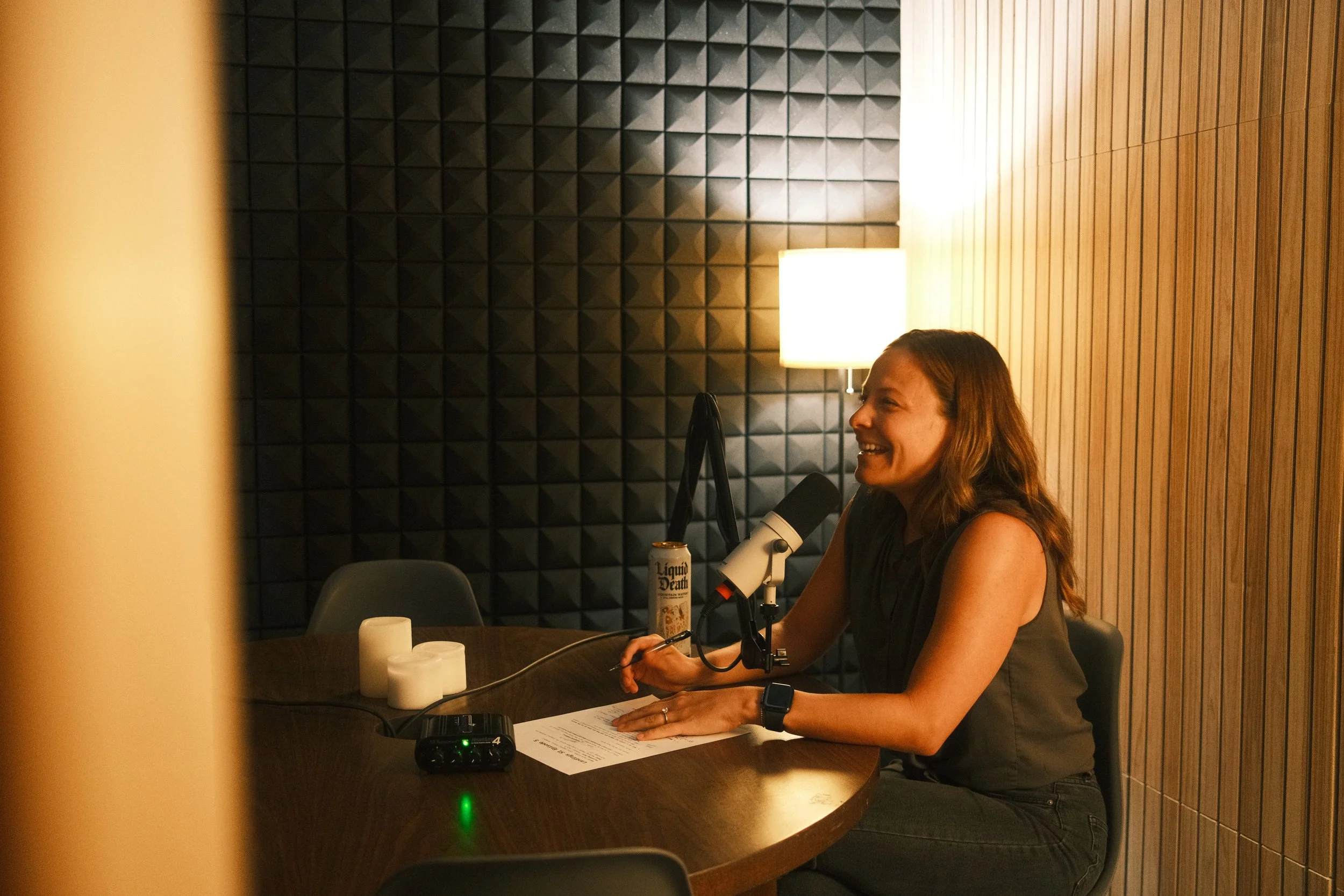
Led concept, funding, and launch of a long-form podcast with the University of Notre Dame’s iNDustry Labs, coordinating partners and production to create an evergreen resource exploring design and technology roles while supporting regional talent development and retention.
SCOPE
Research
Creative direction
Brand design
Narrative and distribution strategy
Production partner collaboration
Organizational sponsor collaboration
BACKGROUND
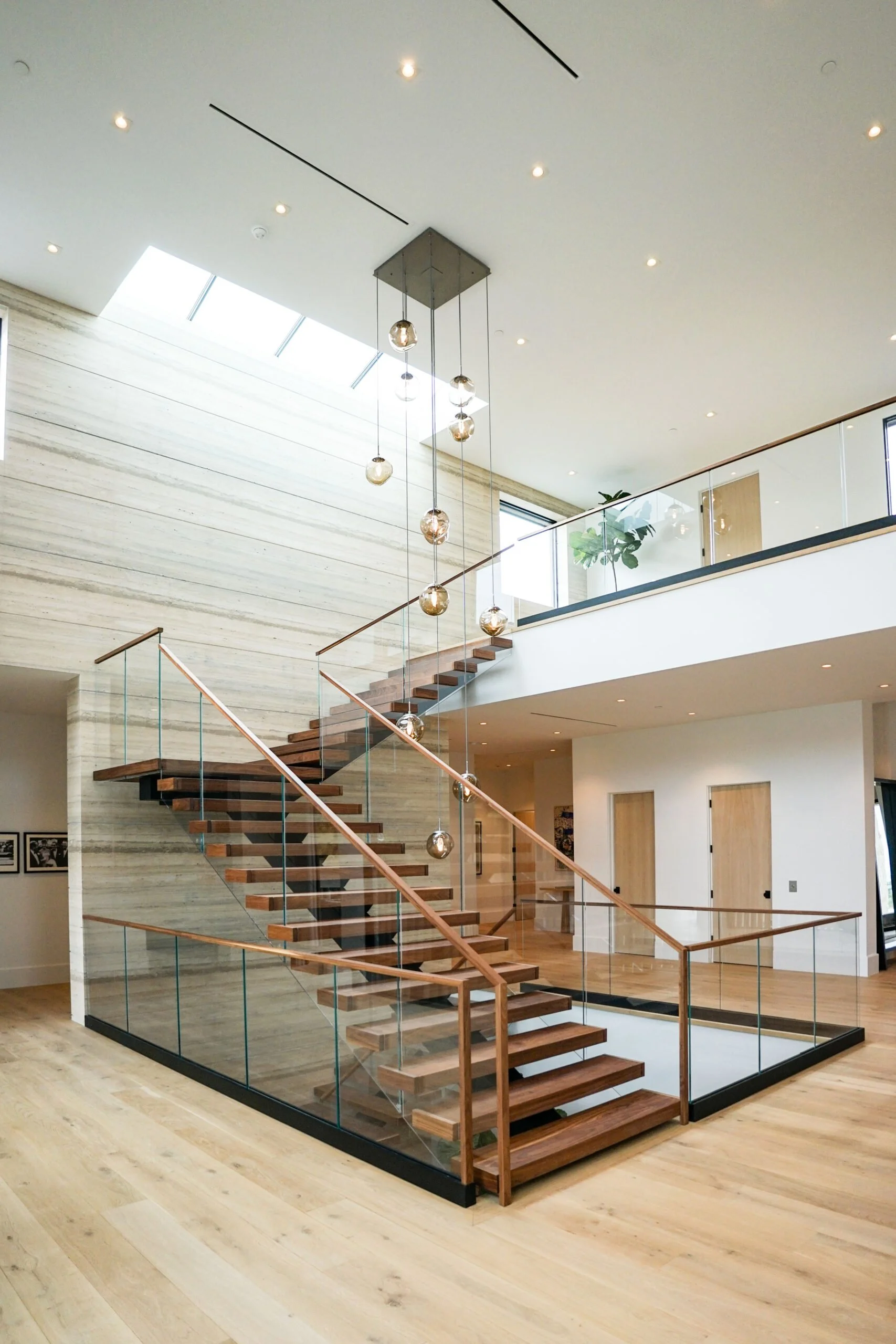
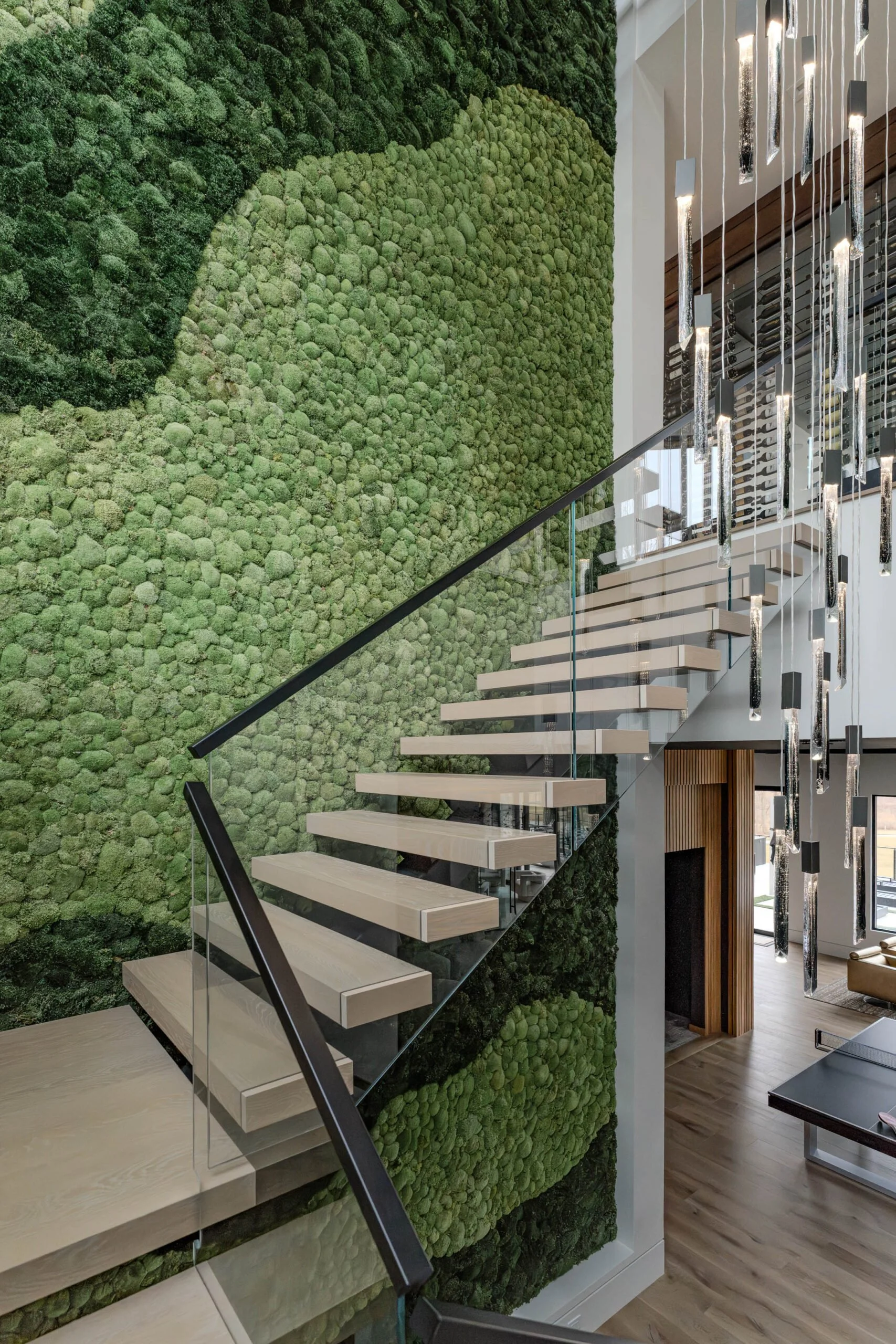
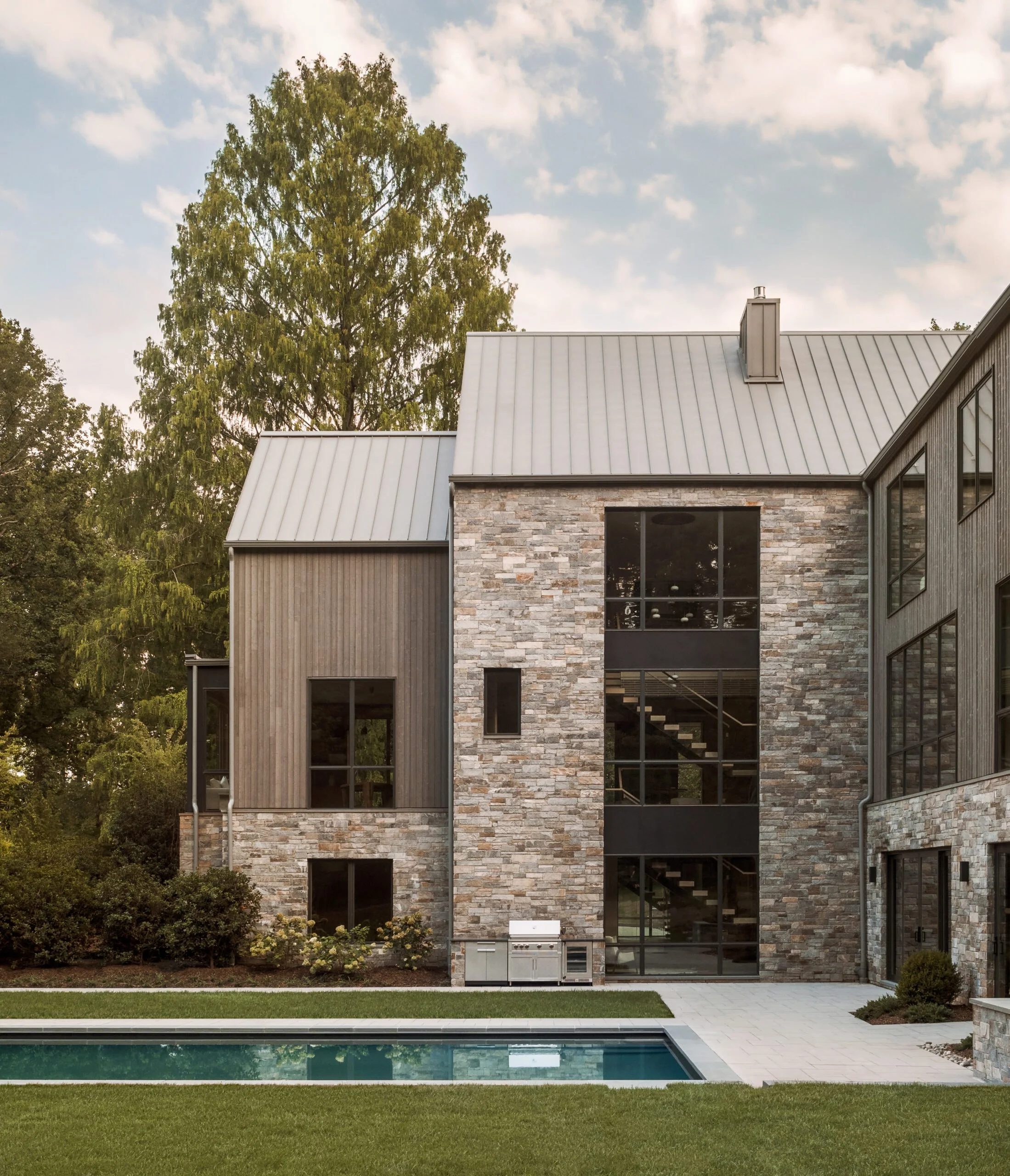
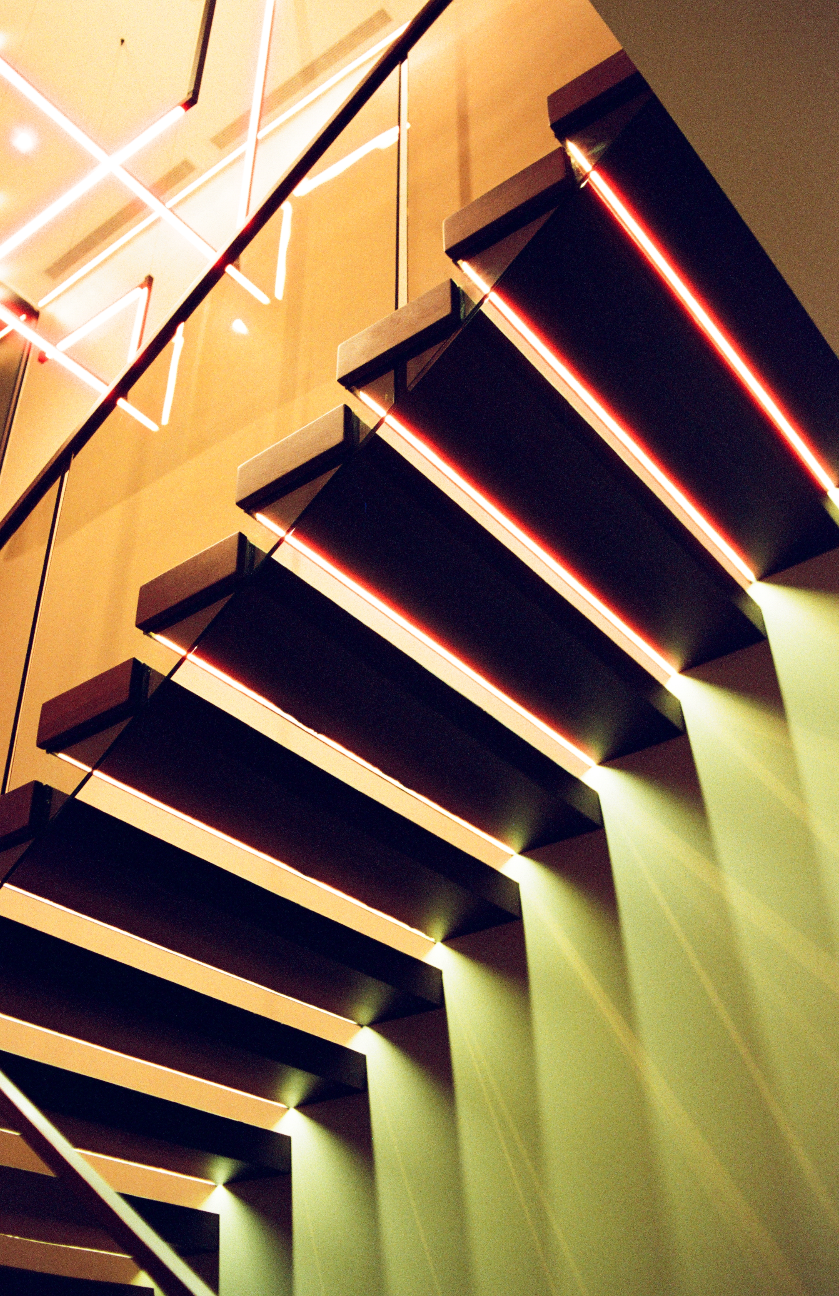
“These were made here, in Goshen, Indiana? Who is buying these stairs?”
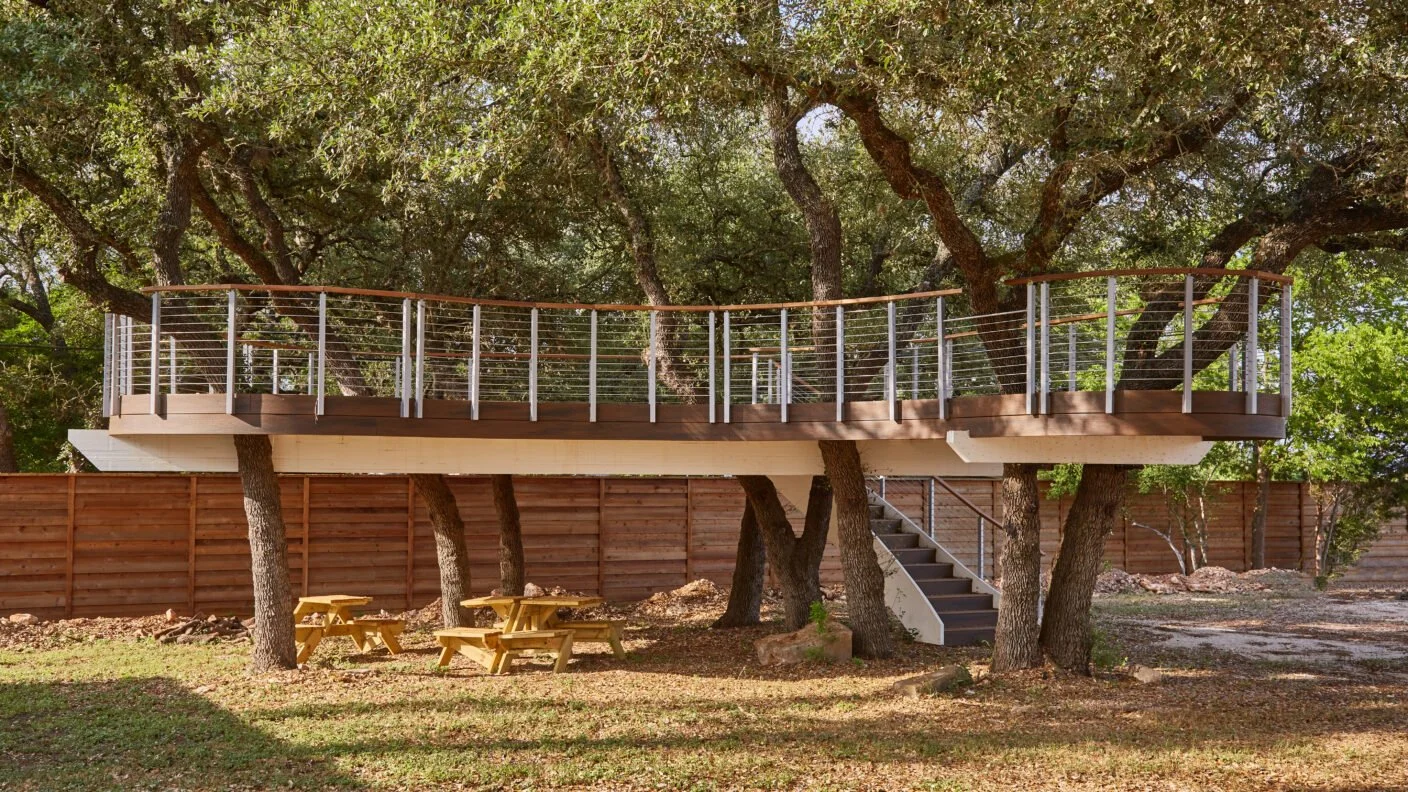
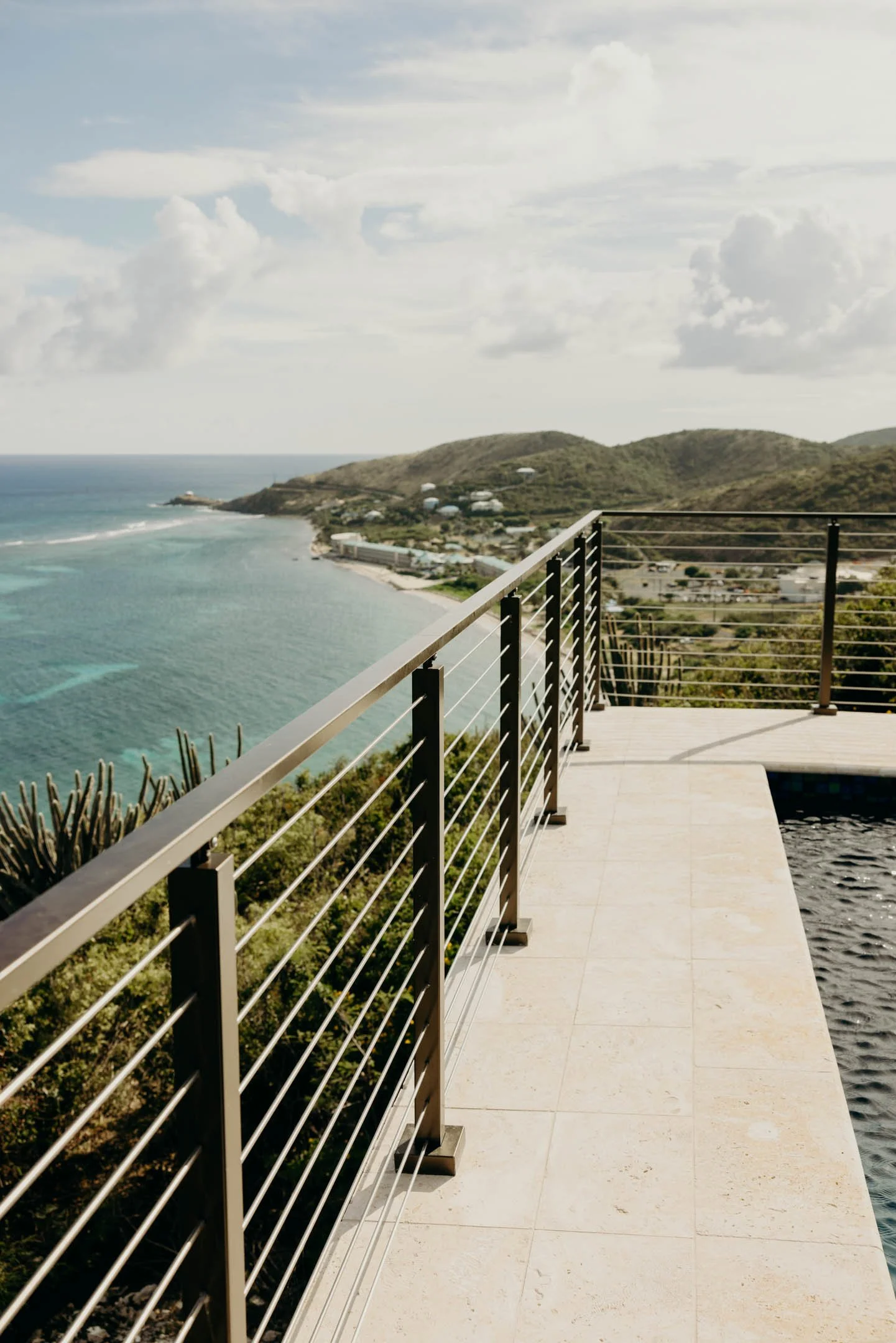
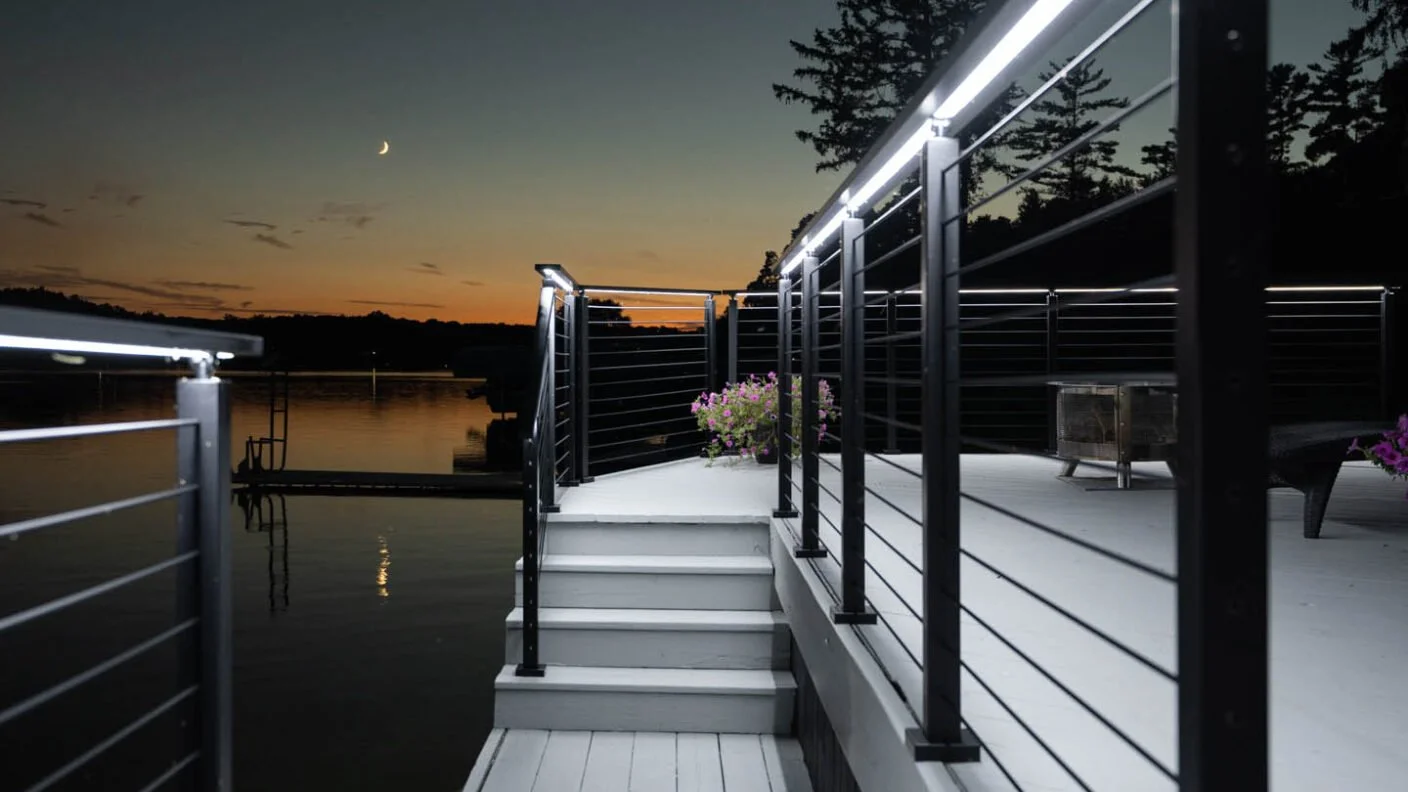
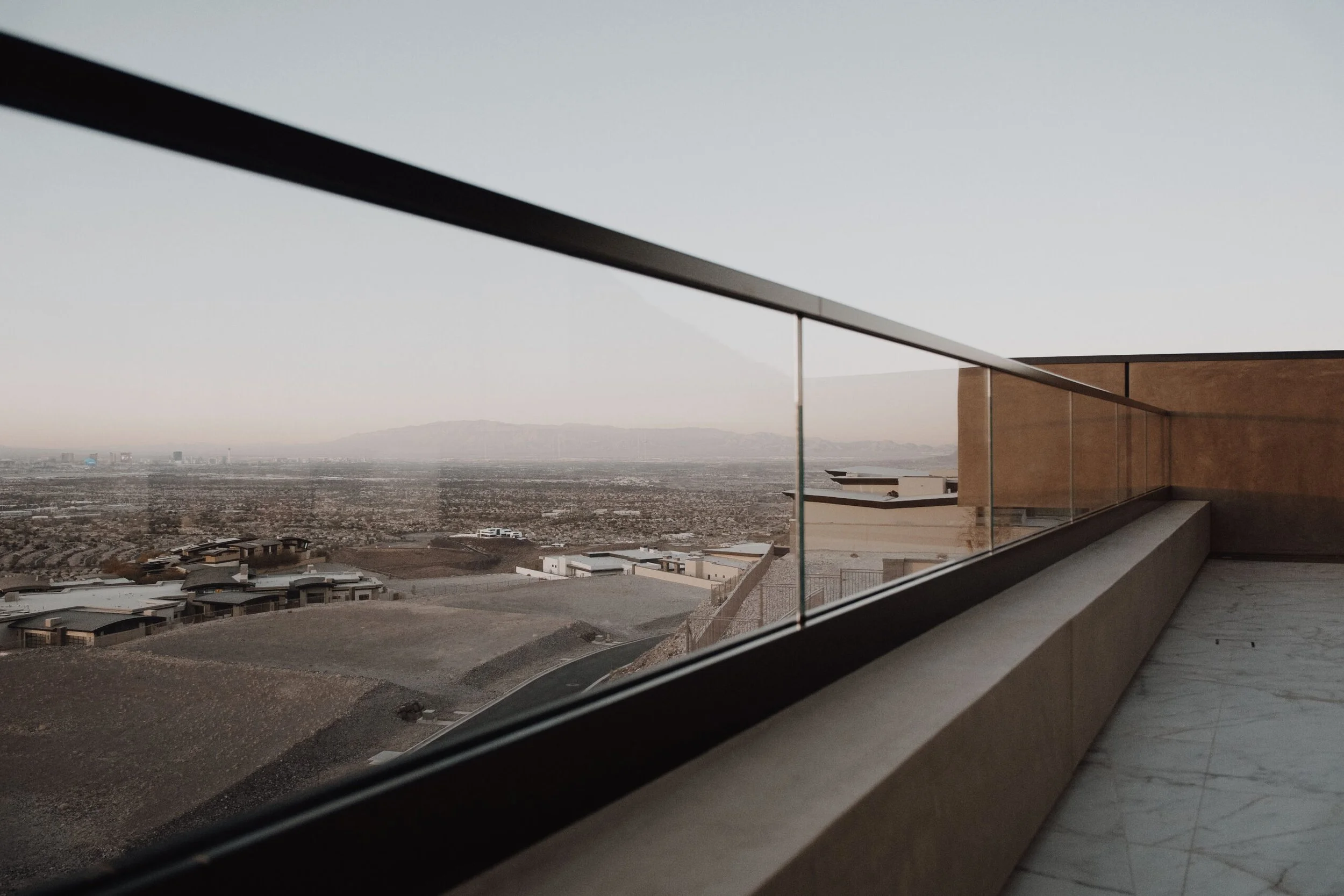
Viewrail is an innovative $100M+ stair and railing manufacturer serving customers nationwide.
RESEARCH
How can UX drive value for a Midwest manufacturing company like Viewrail?
As Viewrail’s first UX Designer, I wanted to learn as much as I could, as quickly as I could, from people actively working in the same field.
In an initial LinkedIn scan of self-identified UX and digital product professionals to reach out to in the South Bend region I found:
22 individuals who fit the criteria
Distributed across 7 small cities
Within the first 8 pages of results
How does lower prevalence of UX roles in my region shape how they differ from those in major tech hubs?
After speaking with over 50 UX design professionals and recruiters across the U.S., I uncovered several recurring themes about UX roles in my region:
Many are manufacturing embedded.
They are less visible.
They come with unique challenges and opportunities.
How does place shape UX career paths in my region?
After speaking with over 50 UX design professionals and recruiters across the U.S., I uncovered several recurring themes about UX career paths in my region:
Remote vs local work decisions
Access to opportunities
Credibility signals tied to geography
DEFINITION
Roles Exist, Narratives Don’t
Design and technology roles in South Bend and the surrounding region are closely tied to the Midwest manufacturing industry, creating distinct opportunities and challenges.
However, these roles remain largely absent from mainstream tech and design narratives, which tend to center big tech and major urban hubs.
IDEATION
How might we make design and tech roles embedded in the region’s manufacturing organizations more visible and legible to emerging professionals?
INITIAL CONCEPT
“I love this!! Can’t wait to check it out, so relevant for rural UXers”
In spring 2024, I launched Stairs and Railing for the People, a Substack publication where I documented my approach to UX at Viewrail.
ITERATION
Choosing a new medium:
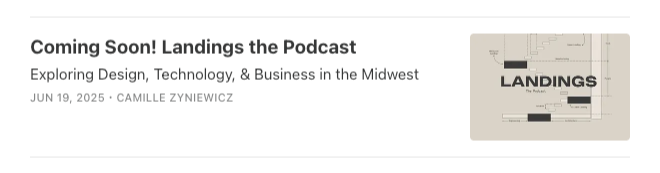
Landings the podcast
Writing helped surface underrepresented UX work, but it was limited to one point of view. In March 2025, I began to explore podcasting as a medium, to use conversational storytelling that could bring in multiple experiences and perspectives.

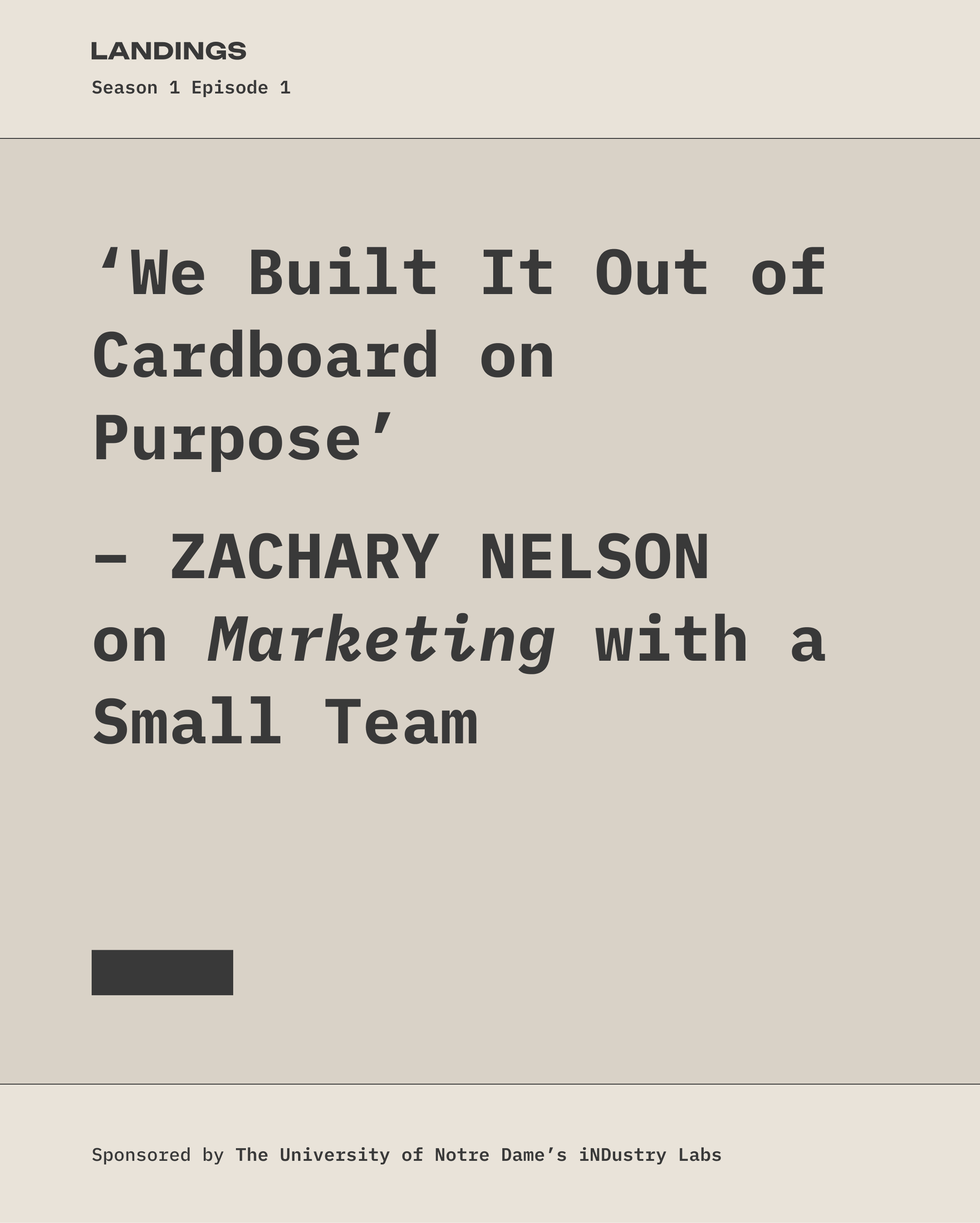
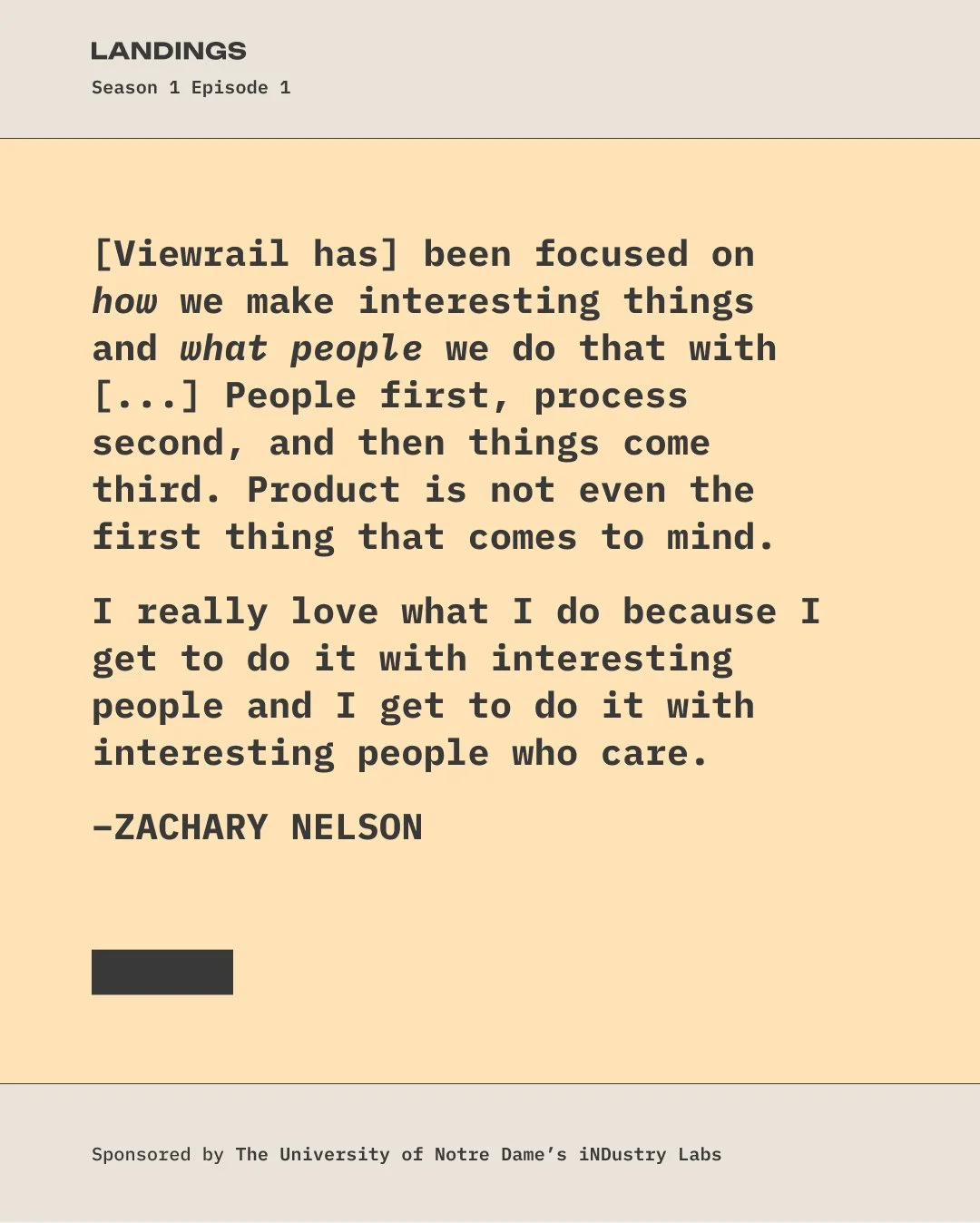
Zachary Nelson, Chief Marketing Officer
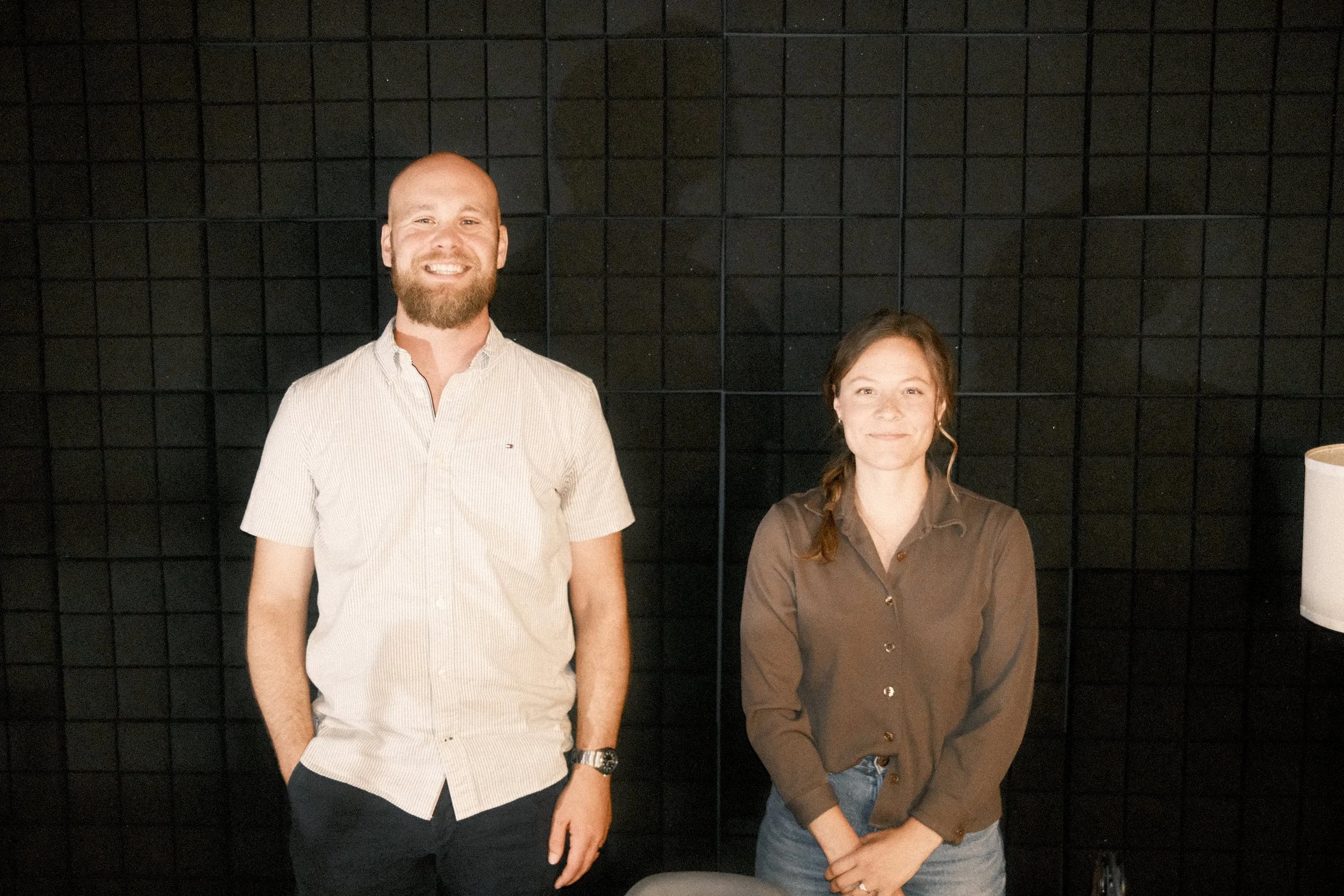
Caleb Morris, Chief Executive Officer
Trami Nguyen, Associate UX Designer
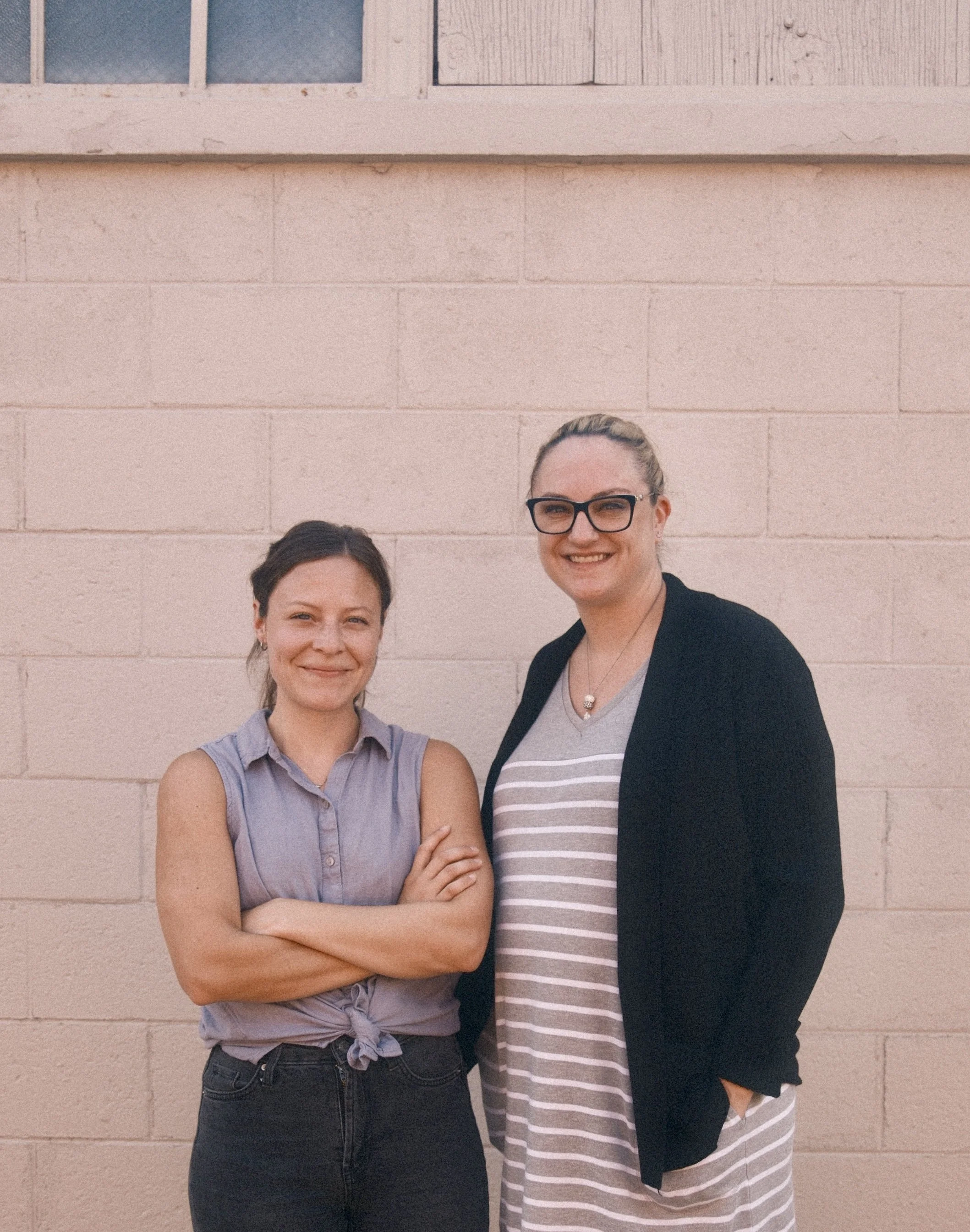
Nicholette Prill, Lead UX Designer
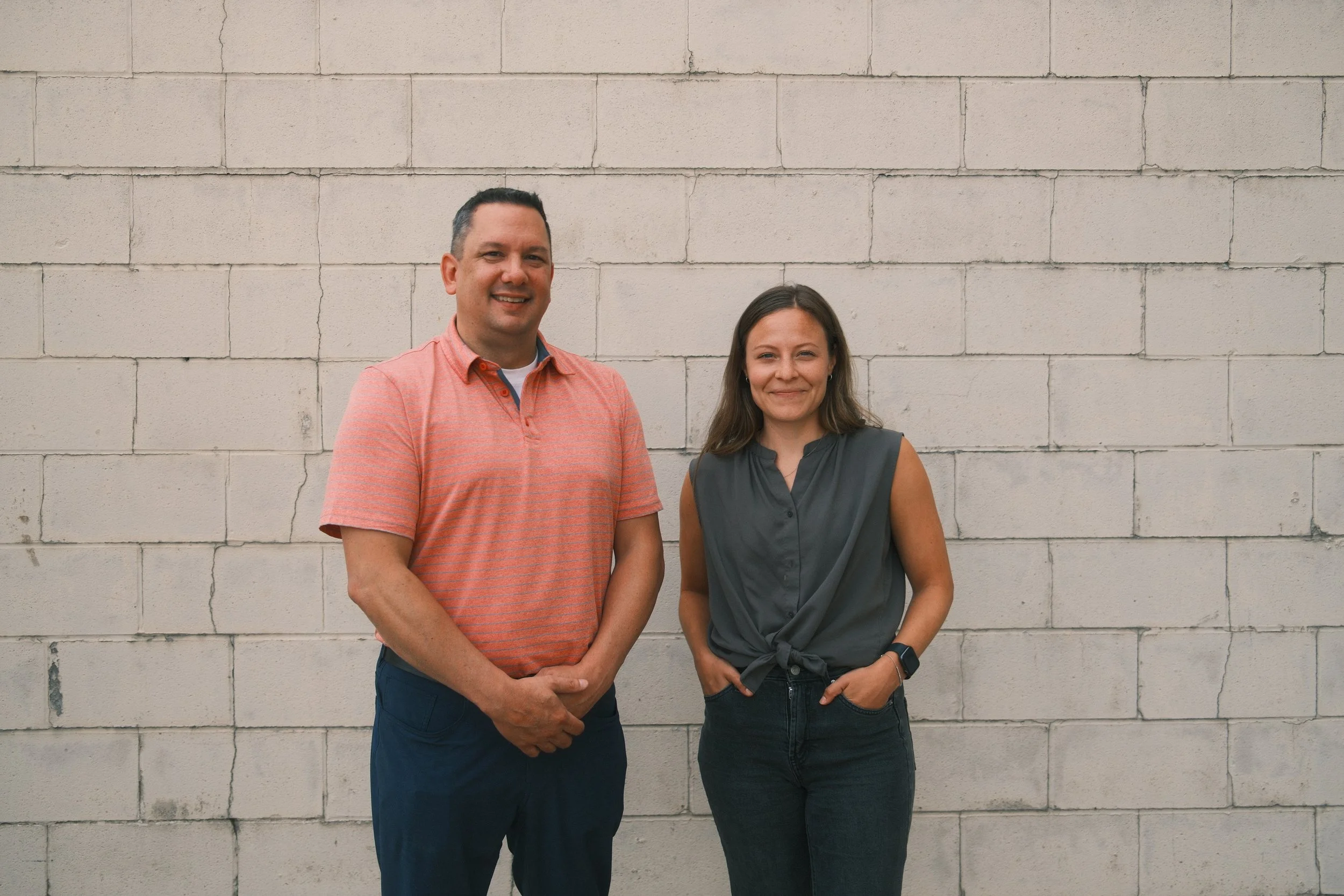
Kyle Klimek, Chief Digital Officer
COLLABORATION
Identifying regional partners and sponsorship
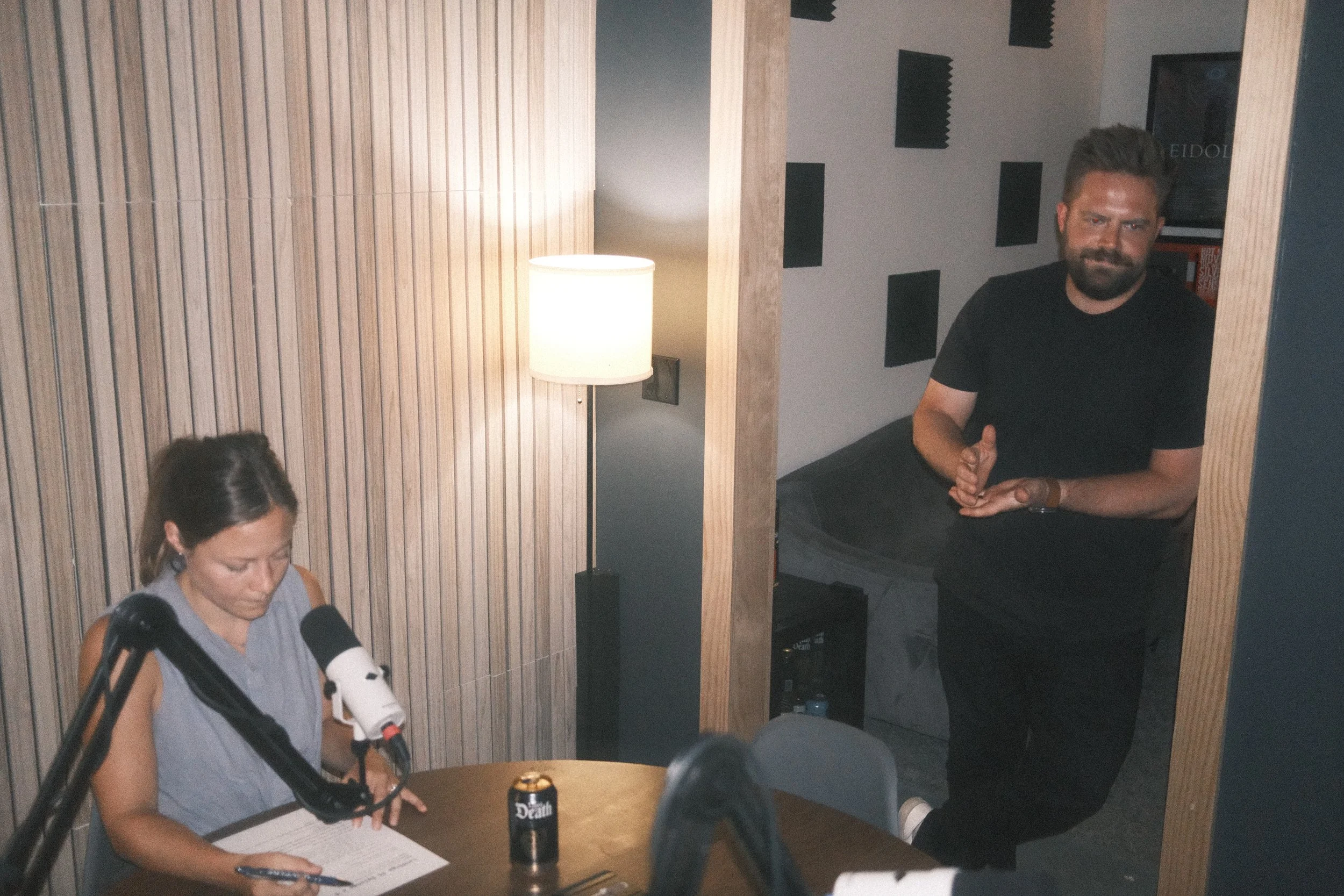
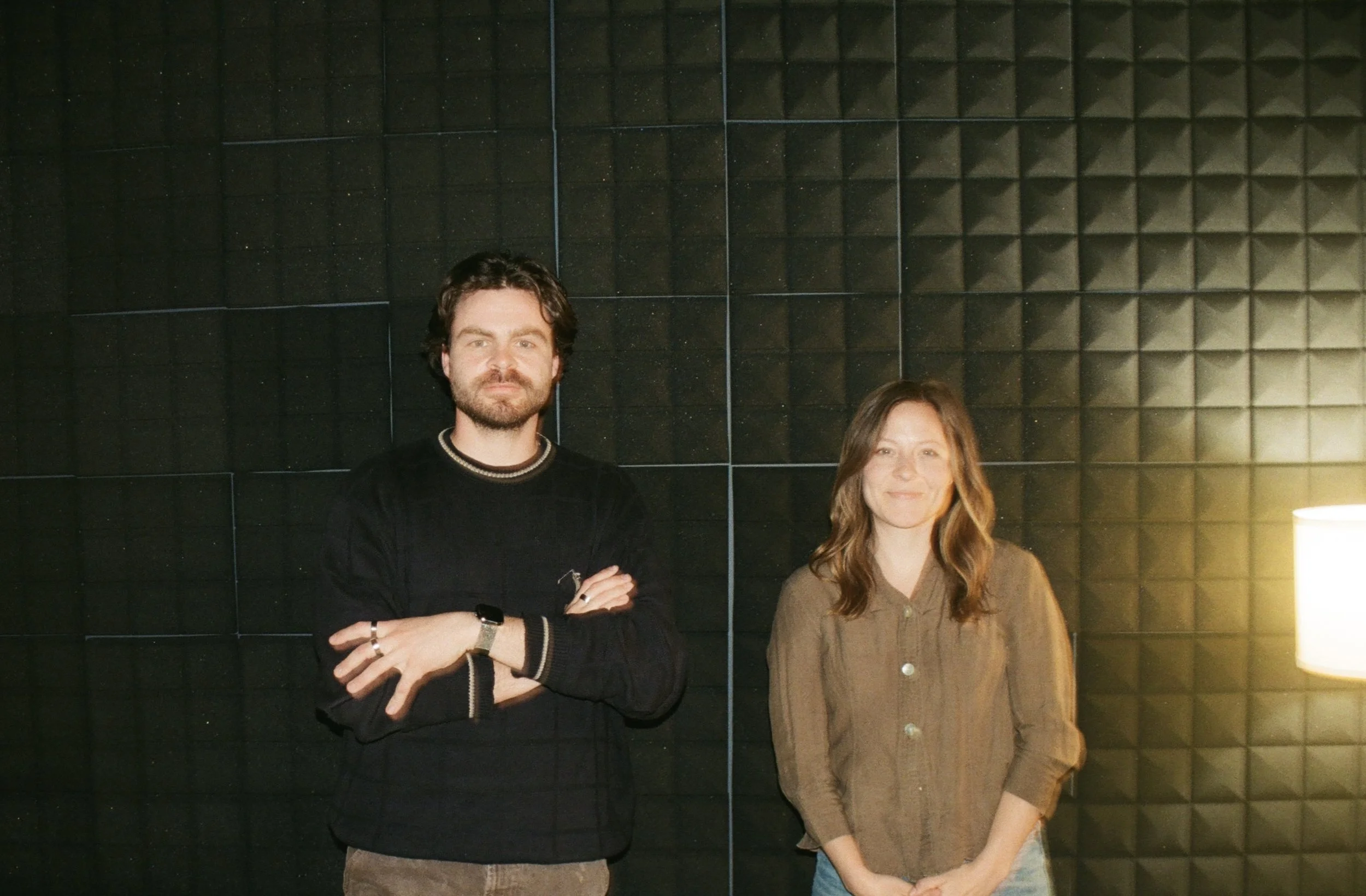
I evaluated potential partners whose missions aligned with increasing visibility into design and technology roles and pursued sponsorship with the University of Notre Dame’s iNDustry Labs, in addition to securing Wayfare Recording as a local production partner. I owned:
Creative direction
Naming, brand identity and visual design
Guest recruitment and coordination
Interview design and facilitation
Narrative and distribution strategy
IMPACT
New approach, broader reach
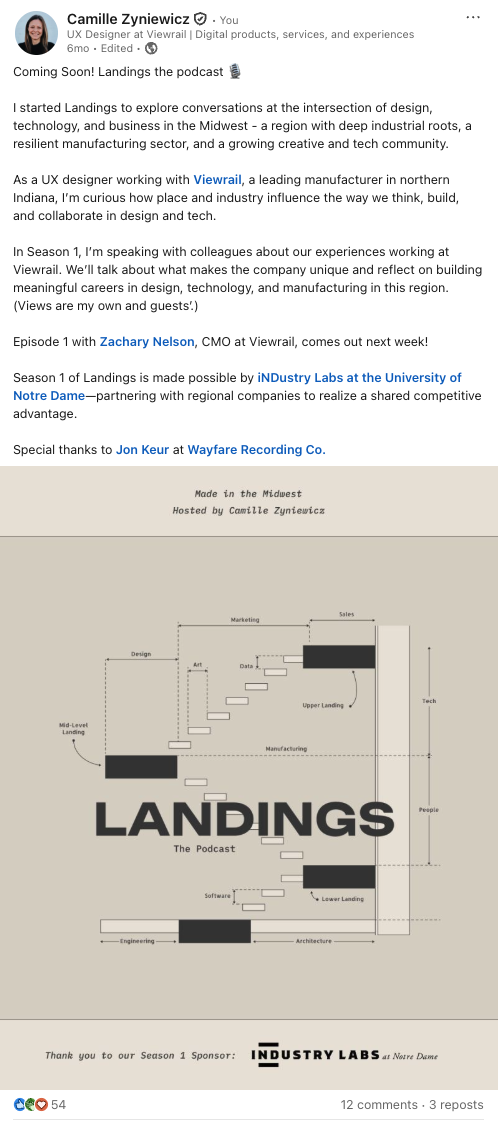
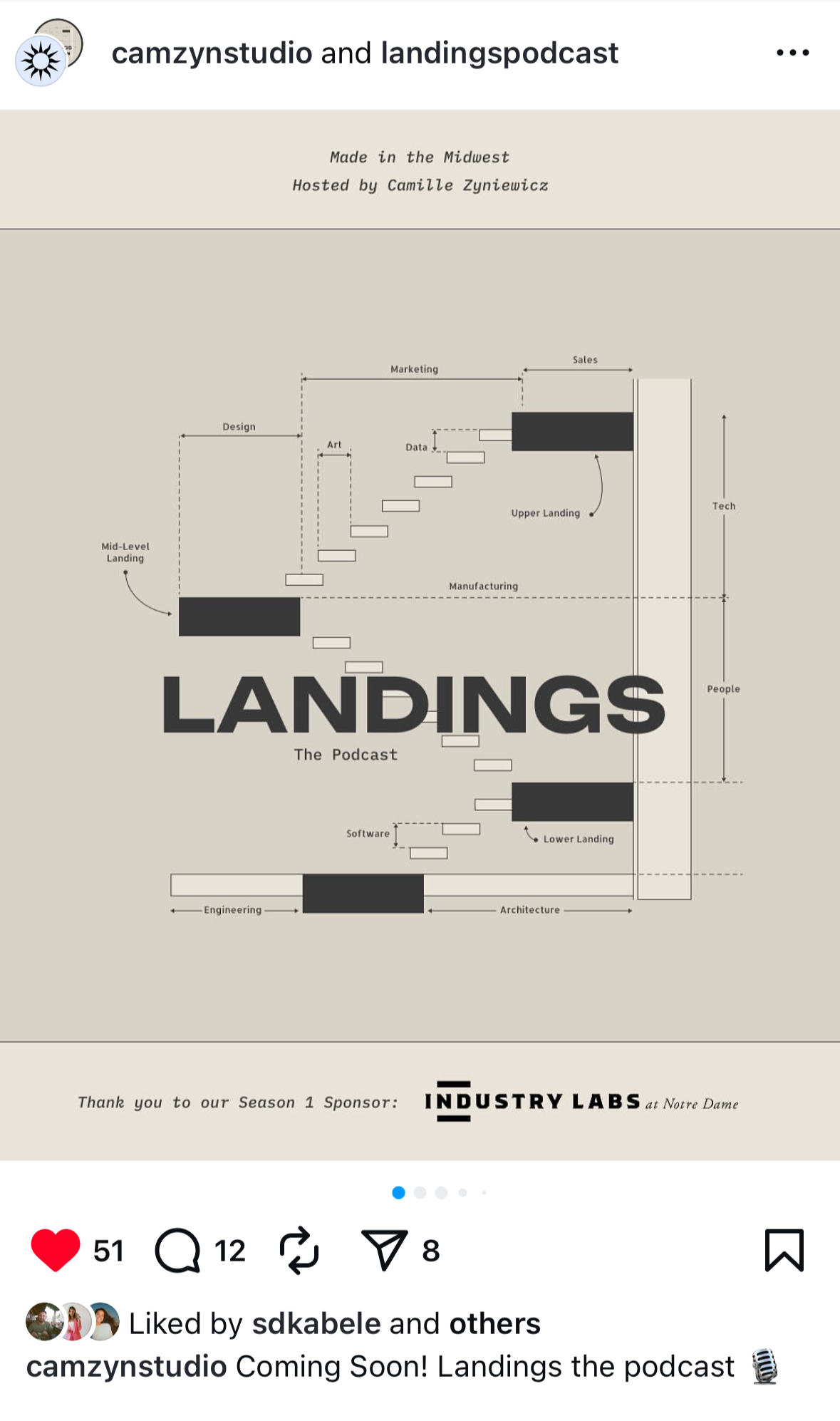
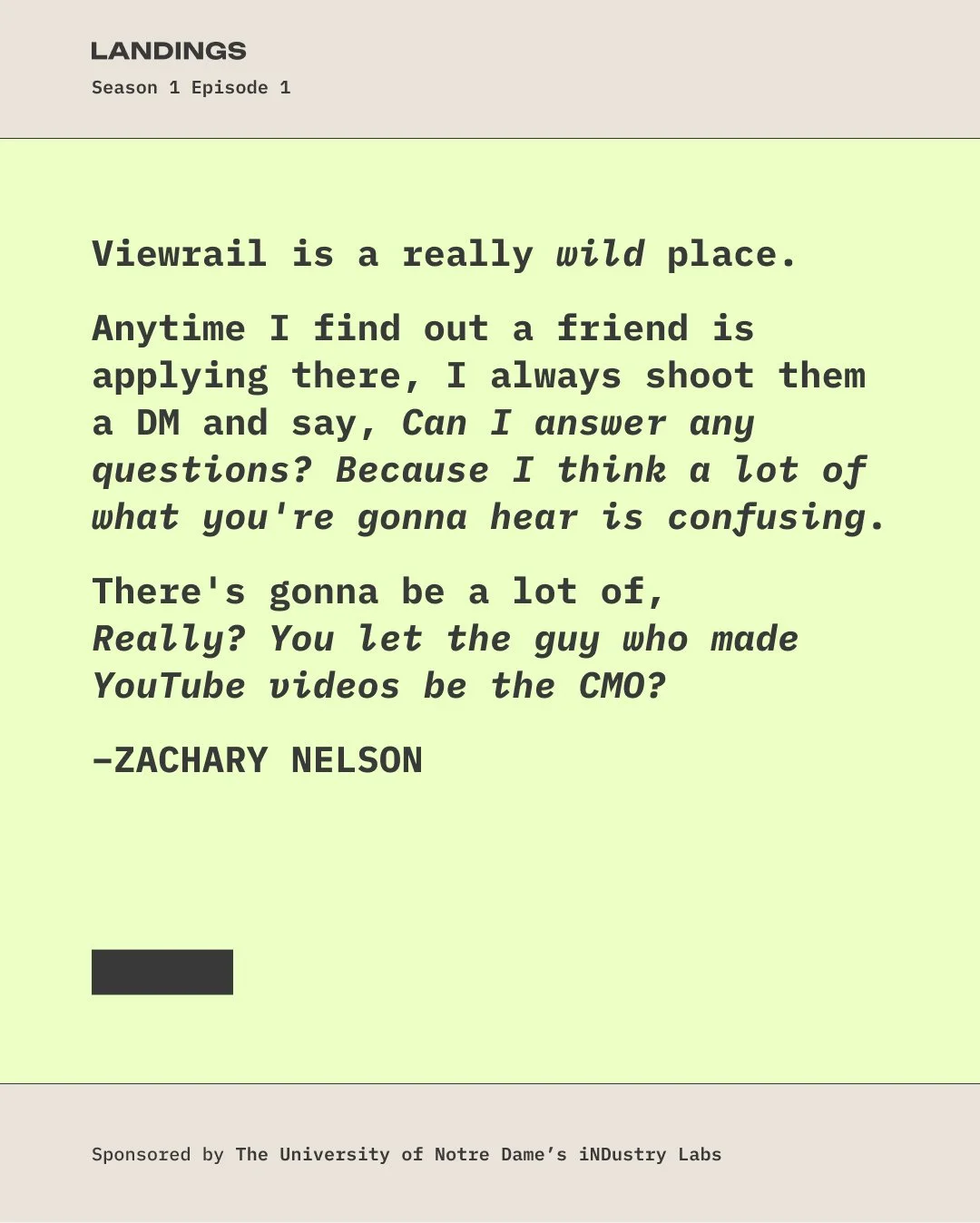
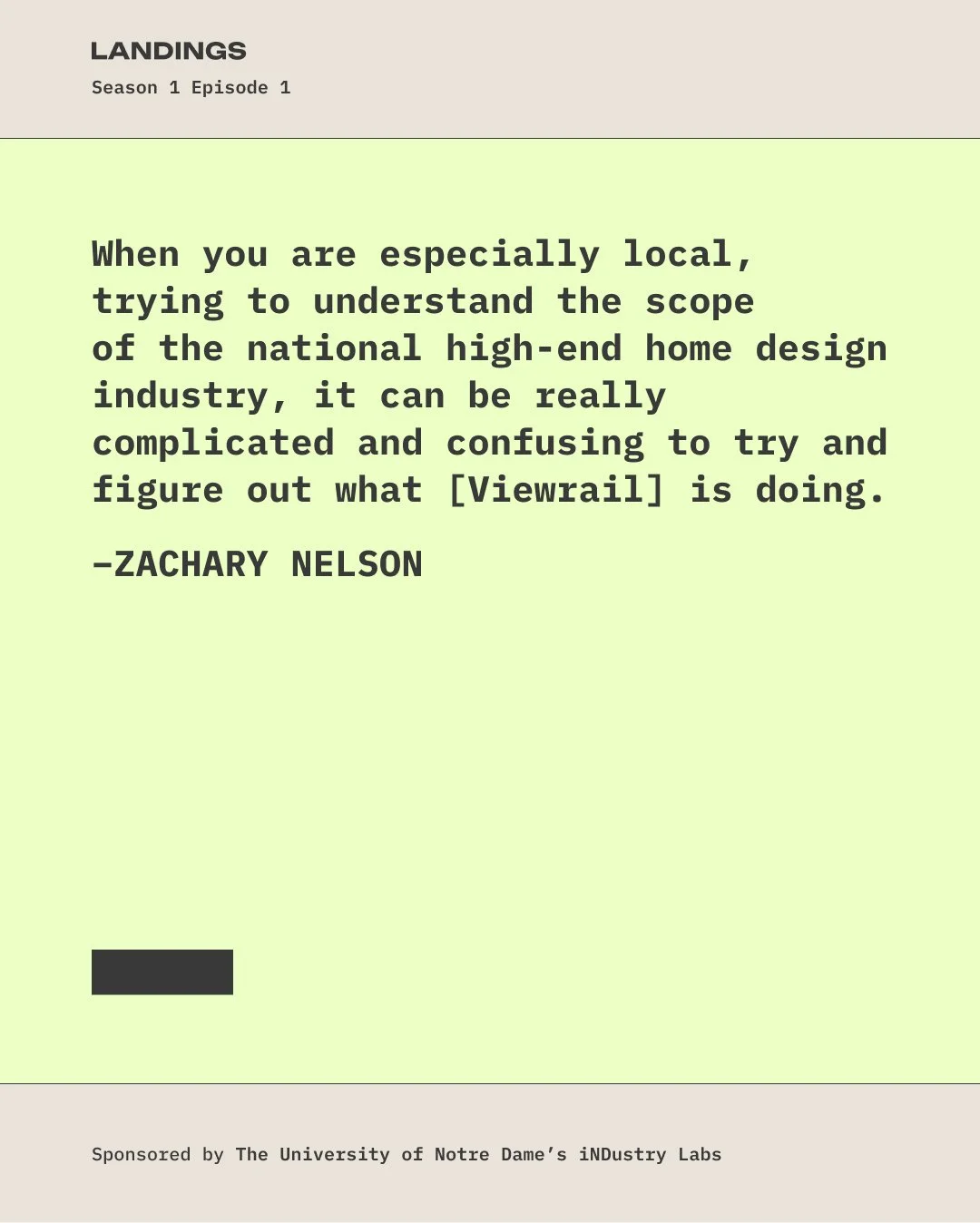
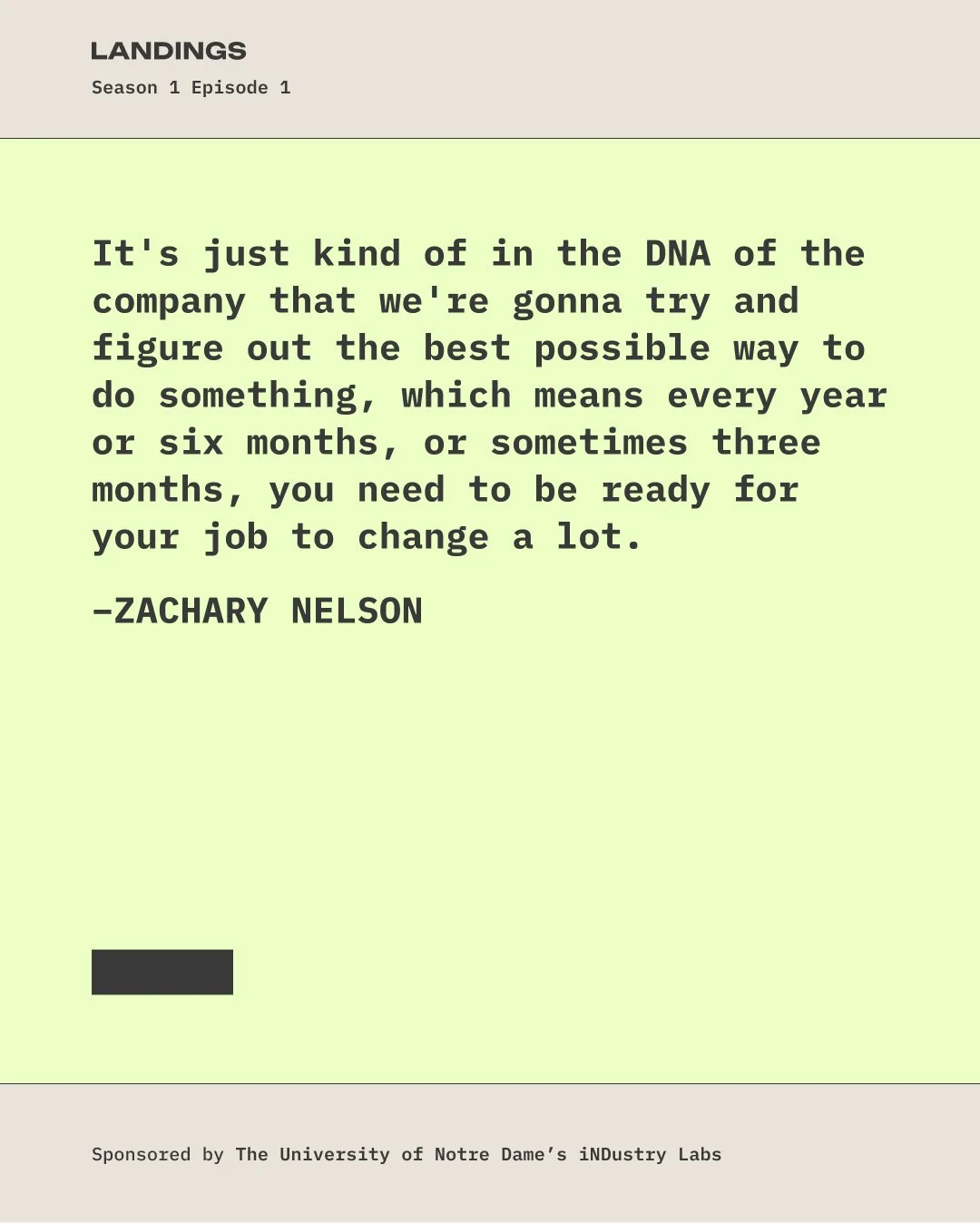
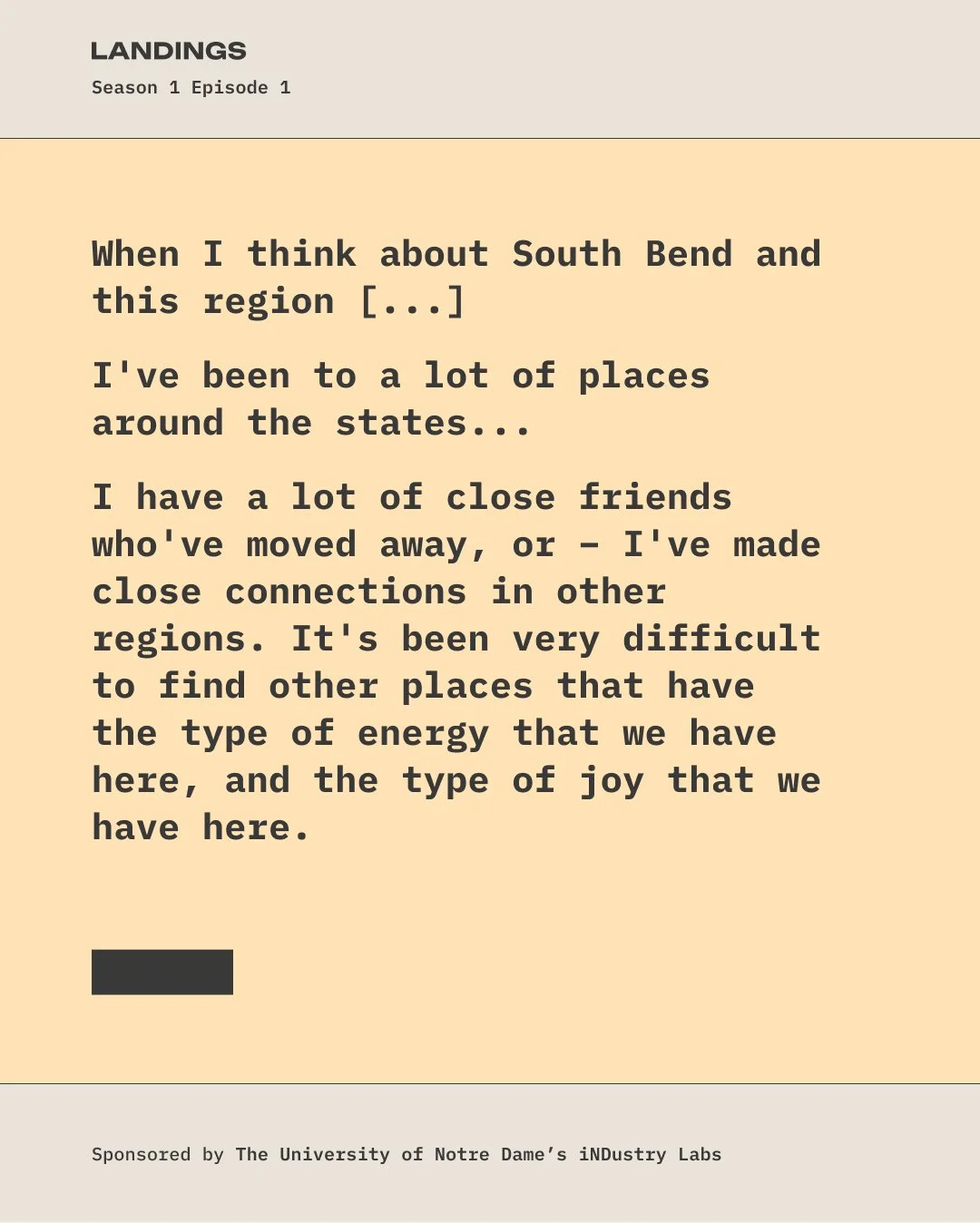
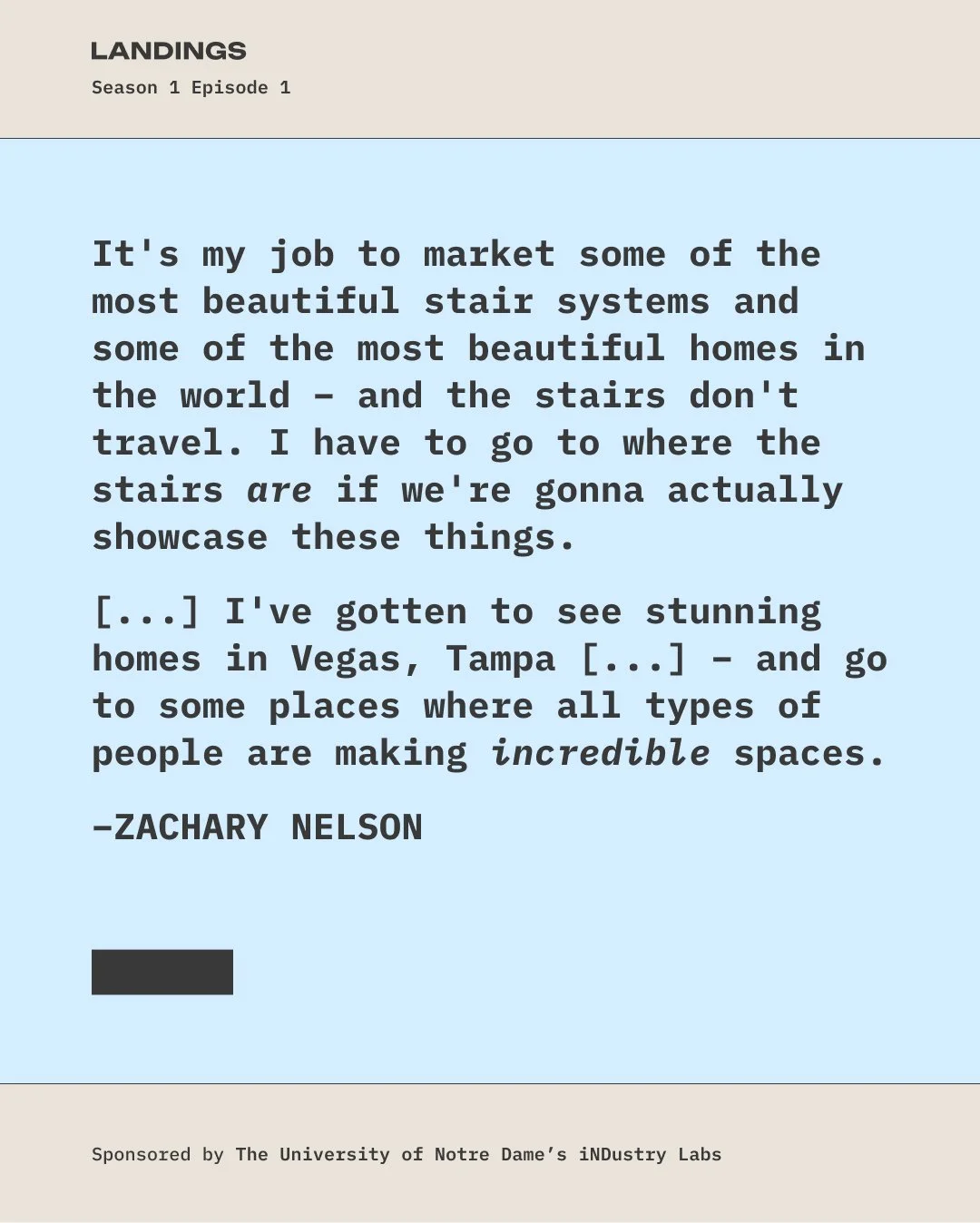
By highlighting individual roles rather than organizations, the format created space for uncertainty, career detours, and organizational constraints, enabling the sponsoring organization to reach a broader audience.
TAKEAWAYS
Concept to Launch
This project was my first experience creating and hosting a podcast end-to-end. These are my takeaways:
Shared stories create stronger connection and resonance more than a single voice, or unaccompanied promotional content.
Securing sponsorship and a production partner allowed me to focus on narrative and message instead of technical production which elevated the overall output.